How We Plan at Roadmap: Building Strategy with Playing to Win and Executing with EOS®
Learn how Roadmap uses Playing to Win and EOS® to shape its business strategy, create accountability, and run a disciplined strategic planning process.
Traditional B2B companies face complexity, shifting markets, and capacity challenges. So do we. And just like the teams we support, Roadmap needs structure and clarity to make each year stronger than the last, and that starts with a disciplined business strategy and strategic planning process.
Once a year, we step back from client work and hold ourselves to the same strategic discipline we challenge other leadership teams to embrace.
Our approach is built on two systems we deeply believe in:
- Playing to Win (framework developed by A.G. Lafley and Roger Martin ) — to define and refine our strategy
- EOS® (Entrepreneurial Operating System®) — to operationalize that strategy and turn it into an actionable plan
Together, these systems shape how we grow Roadmap, how we make decisions, and how we stay aligned as a leadership team.
How We Use Playing to Win to Define Roadmap’s Strategy
When we plan as a leadership team, we don’t start with goals or initiatives. We start with choices. The same choices we guide our clients through.
Playing to Win helps us answer the questions that shape Roadmap’s direction:
- Where are we going to focus?
- Who are the customers we're best built to serve?
- How will we win in the markets we choose?
- What capabilities does Roadmap need next to grow?
- What systems must support the way we intend to scale?
These conversations force us to be honest about where we create the most value and where we need to evolve. They help us define:
Our strategic focus
Which industries and business models are the best fit for our expertise, and which aren’t.
Our differentiation
What Roadmap uniquely brings to the table and how that must show up in our work, our processes, and our brand.
Our capability roadmap
Where we need new tools, stronger processes, better data, or different skills to support the company we are becoming.
Our trade-offs
What we will stop doing, from services and markets to behaviours or ideas that no longer support our direction.
As these decisions take shape, our strategy becomes sharper. The conversation shifts from “what could we do?” to “what must we do?” And that clarity becomes the foundation for the rest of our planning.
How We Use EOS® to Turn Strategy Into Roadmap’s Annual Plan
After defining our strategic direction, we rely on EOS® to operationalize it and guide how we run the business day to day.
This part of the session gives us discipline. Structure. A way to turn our strategy into something we can execute.
During our annual planning session, EOS® guides us as we:
- Review our past year honestly — what worked, what didn’t, and why
- Reassess our long-term vision and targets
- Evaluate our organizational health and internal processes
- Translate strategy into measurable annual goals
- Decide on the most important priorities for the next 90 days
- Solve issues that would otherwise follow us into the new year
This process creates alignment across the whole company. Our team leaves knowing:
- Where Roadmap is going
- Why that direction matters
- How the next year supports the long-term picture
- What each person is accountable for
- What we are choosing to focus on, and what we are choosing not to pursue
With strategy established, EOS® provides the operating system that converts those choices into a weekly plan grounded in structure, focus, and accountability.
What This Approach Helps Us Achieve as a Leadership Team
Using Playing to Win alongside EOS® has strengthened how Roadmap grows by giving us clarity in our strategy and consistency in how we execute it.
This approach helps us:
1. Stay focused on the customers we serve best
It keeps us from drifting into work that isn’t aligned with our strengths.
2. Build the capabilities the company needs to grow and thrive
We focus on improving the processes, tools, and skills that support our growth as a team and as a company.
3. Maintain clarity across the team
When strategy is clear and the plan is simple, communication becomes easier and execution improves.
4. Make better decisions throughout the year
The framework we set in planning becomes a filter for what we say yes to, and what we don’t.
5. Operate with rhythm and accountability
Weekly Level 10 meetings, quarterly resets, and annual realignments keep us on track.
Planning becomes more than a meeting; it becomes how we run the company.
How Planning Keeps Roadmap Accountable to the Company We’re Building
Planning is not something we do because it’s the end of the year. We do it because Roadmap is evolving, the work is evolving, and the companies we support are evolving.
We can’t lead others through strategy and transformation if we aren’t doing the work ourselves.
Using Playing to Win gives us a clear strategy.
Using EOS® gives us a plan to execute that strategy with discipline.
Together, these systems keep us committed to the strategy and accountable to each other, to our priorities, and to the progress we expect to make.
Looking Ahead
As we head into each new year, our planning process grounds us. It gives the team direction. It builds alignment. It strengthens accountability. It sharpens decisions. And it reminds us of something important: growth is not a series of separate actions; it’s the result of a clear strategy paired with consistent execution.
This is how we plan at Roadmap.
It’s how we stay focused, adapt intentionally, and build a stronger company year after year.
Looking For More Insights You Can Put Into Action?
Listen to our podcast.

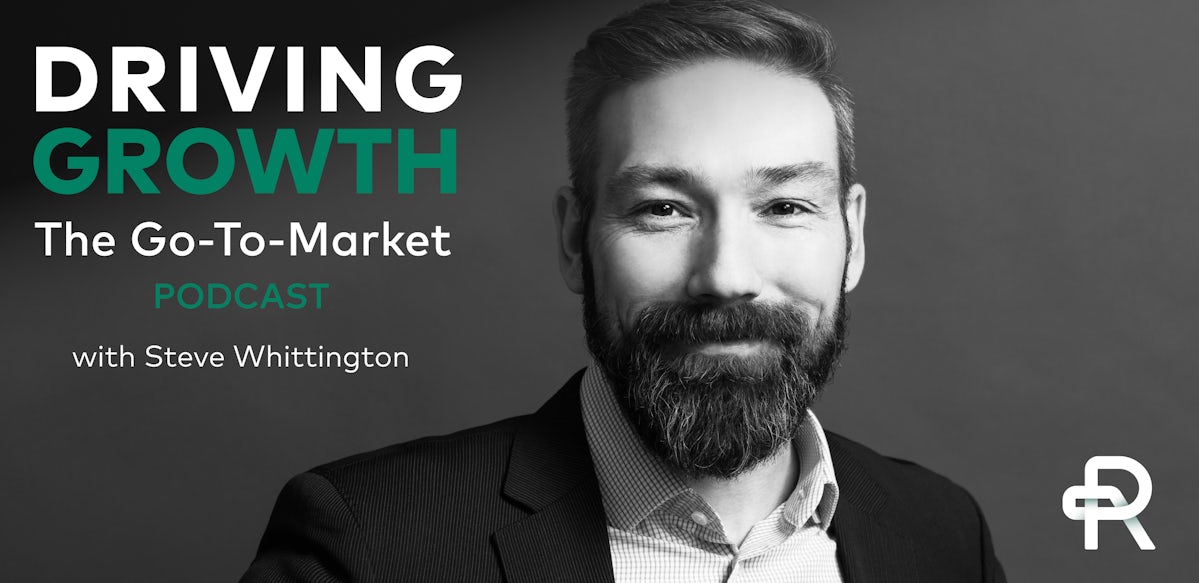
The Driving Growth Podcast
Driving Growth exists for one reason: To help traditional B2B companies start scaling with real go-to-market systems. Each episode runs about 20 minutes and delivers tactical insights, real-world lessons, and proven frameworks you can put into action immediately.
Would you like us to implement a similar strategy for you?
Book a Discovery Call